Understanding the Environmental Benefits of Aluminum Shop Techniques
Aluminum foundry methods play a crucial role in advancing sustainability within the manufacturing market. By applying sophisticated reusing methods and energy-efficient methods, these methods significantly decrease waste and carbon impacts. Cutting-edge casting techniques additionally boost source conservation initiatives. As sectors increasingly prioritize ecological duty, comprehending the complete effect of these techniques comes to be important. What details advancements are leading the method in this makeover?
The Role of Light Weight Aluminum in Lasting Production
Although lots of materials contribute to lasting production, light weight aluminum sticks out because of its distinct buildings and recyclability. This lightweight steel is not just sturdy however additionally has excellent rust resistance, making it an ideal option for various applications, from auto to building. Its high strength-to-weight ratio results in power cost savings during transport and usage. Light weight aluminum can be reused forever without losing its integral qualities, promoting a round economy.
The production procedure of aluminum has actually progressed, integrating energy-efficient techniques that decrease carbon impacts. By making use of renewable resource sources, producers are progressively decreasing the environmental effect related to light weight aluminum production. Furthermore, making use of recycled light weight aluminum needs considerably much less power contrasted to drawing out and improving main aluminum, leading to lower greenhouse gas emissions. As sectors seek sustainable remedies, aluminum's convenience and eco-friendly attributes position it as a critical product in the search of greener production methods.
Advanced Recycling Techniques in Light Weight Aluminum Foundries
Advanced reusing methods in aluminum shops are changing the means scrap light weight aluminum is processed and reused. Innovative methods, such as closed-loop recycling systems, allow shops to reclaim light weight aluminum from production waste and obsolete items successfully. These systems decrease worldly loss and improve the high quality of recycled aluminum, making it a viable alternative to main light weight aluminum production.
Furthermore, advanced sorting innovations, consisting of automated optical sorting and X-ray fluorescence, improve the splitting up of aluminum from other products, making sure higher purity levels in recycled results. This accuracy decreases contamination, which can compromise the honesty of the last product.
Furthermore, the combination of innovative melting modern technologies, such as induction melting and energy-efficient heaters, simplifies the recycling procedure, reducing energy usage. Collectively, these technologies add to a much more sustainable light weight aluminum sector by reducing dependence on virgin products and lowering greenhouse gas emissions connected with aluminum manufacturing.
Energy Efficiency Improvements in Factory Workflow
Energy performance enhancements in light weight aluminum foundry procedures can significantly enhance sustainability techniques. Executing waste warm healing systems allows foundries to repurpose excess power, decreasing total energy intake. Furthermore, developments in process automation streamline operations, bring about decreased waste and enhanced source use.
Waste Warmth Recovery
Executing waste heat recuperation systems in aluminum factories substantially enhances energy efficiency by catching and recycling excess thermal power generated throughout manufacturing procedures. These systems help with the conversion of thrown away warmth into useful power, which can be used for numerous applications within the shop, such as powering or preheating materials tools. By recovering warm that would certainly otherwise be removed into the environment, shops can considerably minimize their general power usage and greenhouse gas discharges. This method not just reduces operational prices but also advertises lasting practices within the market. Furthermore, the fostering of waste warmth healing modern technologies straightens with regulatory requirements aimed at lowering ecological influence, making it a vital element of modern-day light weight aluminum shop procedures.
Refine Automation Conveniences
Automating processes in light weight aluminum foundries can considerably improve energy effectiveness by optimizing manufacturing operations and minimizing waste. By applying innovative technologies such as robotics and artificial intelligence, foundries can improve operations, lessening unnecessary energy consumption. Automated systems promote exact control over temperature and material handling, ensuring that energy is utilized only when required. Furthermore, real-time surveillance permits prompt modifications, decreasing the threat of energy loss. The integration of automation not only improves productivity however additionally lowers operational expenses, making foundries extra competitive. Because of this, these energy-efficient methods add significantly to sustainability goals, lowering the environmental footprint of light weight aluminum manufacturing while fulfilling enhancing market demands - Aluminum Foundry. Improved power effectiveness via automation represents a vital action towards greener factory operations
Minimizing Waste Via Ingenious Casting Approaches
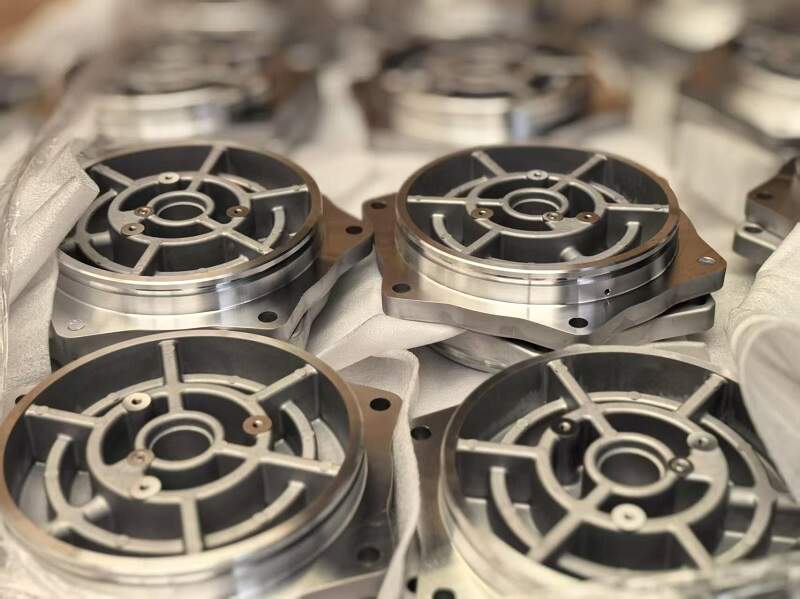
Ingenious casting approaches play a crucial function in minimizing waste in light weight aluminum foundries. Strategies such as advanced molding and the use of recyclable products considerably reduce production scrap. These practices not only improve efficiency however also add to an extra lasting production process.
Advanced Molding Techniques
As sectors progressively focus on sustainability, advanced molding methods in aluminum factories become reliable solutions for reducing waste. These ingenious techniques, such as 3D printing and precision mold making, considerably boost the performance of the spreading process. By utilizing computer-aided design (CAD) and simulation modern technologies, makers can optimize mold and mildew geometry, reducing product usage while keeping item honesty. Furthermore, advanced methods allow the manufacturing of intricate forms that traditional methods can not attain, minimizing the requirement for extra machining and therefore decreasing scrap material. The versatility of these methods permits fast prototyping, more decreasing lead times and power intake. Overall, the application of sophisticated molding techniques stands for an important action toward environmentally liable aluminum production, lining up with worldwide sustainability objectives.
Recyclable Product Usage
Recyclable products play a pivotal duty in lowering waste within light weight aluminum factories, changing the spreading landscape via their reliable use. By including scrap aluminum and other recyclable elements right into the production procedure, foundries can considerably lower the demand for virgin materials. This not just saves natural sources however likewise reduces energy usage associated with mining and refining. Innovative spreading methods, such as die spreading and sand casting, enable for smooth integration of these products, making certain premium results. In addition, using recyclable materials promotes a round economy, where resources are consistently reused and repurposed, decreasing landfill contributions. Ultimately, the strategic use recyclables boosts sustainability while promoting cost-effectiveness in aluminum foundry operations.
Lessening Manufacturing Scrap
Life Process Evaluation of Aluminum Products
Although aluminum is extensively acknowledged for its sturdy and lightweight residential or commercial properties, a detailed Life process Evaluation (LCA) discloses the environmental impacts connected with its use, disposal, and manufacturing. The LCA procedure checks out the energy consumption, greenhouse gas discharges, and source depletion linked to aluminum products from removal of bauxite ore to end-of-life management. Primary light weight aluminum production is energy-intensive, often counting on nonrenewable fuel sources, which contributes significantly to carbon impacts. In comparison, recycling aluminum provides considerable ecological benefits, as it utilizes just a fraction of the power needed for key production. In addition, the recycling process reduces landfill waste and saves natural resources. The LCA likewise considers the product's longevity and potential for reuse, stressing the significance of sustainable style. On the whole, comprehending the life cycle influences of light weight aluminum products is crucial for making educated decisions that focus on ecological sustainability within the industry.
Case Researches: Effective Sustainable Practices in the Industry
The light weight aluminum market has started to embrace innovative sustainable practices that deal with the ecological challenges recognized in Life process Evaluations. One significant situation is a leading factory that applied a closed-loop recycling system, substantially minimizing waste and energy consumption. By recycling scrap aluminum in production, the facility accomplished a 40% reduction in its carbon footprint.
An additional example involves a maker that adopted renewable resource sources, powering its procedures with solar and wind energy - Precision aluminum casting. This change not only decreased greenhouse gas exhausts yet likewise enhanced the firm's reputation amongst ecologically mindful customers
Furthermore, a third shop has actually bought innovative spreading strategies, which optimize material usage and reduce issues, further reducing resource intake. These instance researches highlight that the light weight aluminum market is capable of incorporating sustainable methods, showing both ecological duty and financial Check This Out feasibility, eventually adding to an extra sustainable future.
Often Asked Concerns
How Does Light weight aluminum Compare to Various Other Metals in Sustainability?
Light weight aluminum is normally thought about a lot more lasting than many steels due to its recyclability, reduced energy needs for manufacturing, and decreased environmental influence. Its lifecycle performance surpasses that of steel and copper in various applications.
What Is the Carbon Impact of Aluminum Foundry Processes?
The carbon footprint of light weight aluminum foundry procedures differs, normally varying from 4 to 15 metric lots of carbon dioxide per lots of light weight aluminum generated. Variables affecting this consist of power resources, innovation, and the performance of procedures.
Exist Wellness Threats Related To Light Weight Aluminum Shop Procedures?
What Are the Costs Related To Sustainable Light Weight Aluminum Techniques?
The expenses connected with lasting aluminum strategies consist of higher first financial investments in modern technology, possible boosts in operational expenses, and ongoing upkeep. However, these are frequently countered by long-lasting savings and minimized ecological impact.
Just How Does Aluminum Recycling Impact Resident Communities?
Aluminum recycling positively influences local communities by producing work, lowering garbage dump waste, and lowering power prices. It promotes economic development and advertises ecological stewardship, causing healthier living problems and boosted community interaction in sustainability campaigns.
In addition, the use of recycled light weight aluminum calls for considerably less energy compared to removing and improving primary aluminum, leading to lower greenhouse gas exhausts. Advanced recycling techniques in aluminum foundries are reinventing the way scrap aluminum is refined and recycled. Precision aluminum casting. Applying waste warmth recuperation systems in aluminum foundries considerably enhances energy effectiveness by recording and reusing excess thermal power produced throughout manufacturing procedures. Automating processes in aluminum shops can substantially boost energy effectiveness by enhancing production operations and lowering waste. The carbon footprint of light weight aluminum foundry processes differs, normally varying from 4 to 15 statistics bunches of Carbon dioxide per bunch of light weight aluminum produced